 We're open every day from 10 AM to 4 PM!


Legendary Bathurst Vehicles on Display at the Motor Museum of Western Australia
Few races capture the imagination of Australian motorsport fans like Bathurst, and the Motor Museum of Western Australia is proud to showcase cars that have tackled the legendary Mount Panorama circuit. These vehicles represent underdog stories, privateer passion, and the raw theatre of Australia’s greatest touring car race.
From rotary power to V8 grunt and Chrysler muscle, each Bathurst car on display tells a different chapter in the history of the Great Race. Whether you grew up watching them thunder across the Mountain or discovered them through highlights and model cars, standing beside the real thing is a special experience.
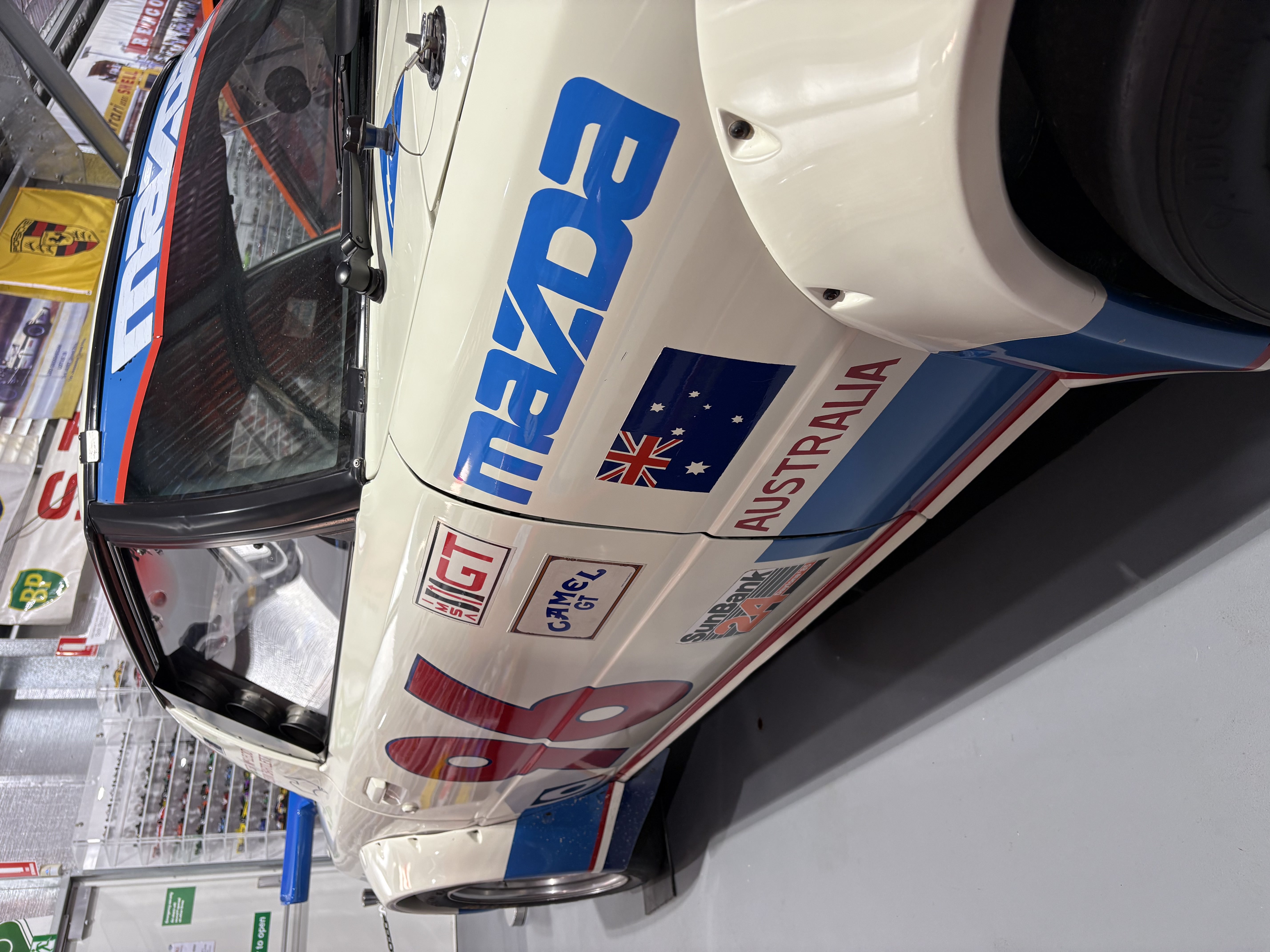
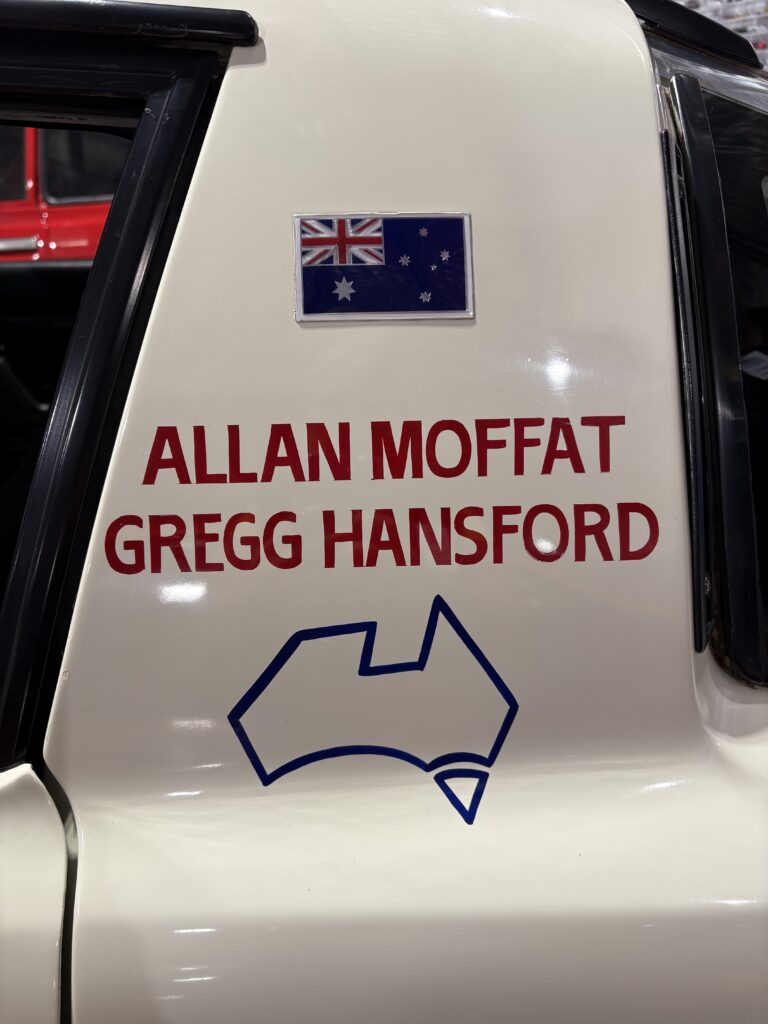
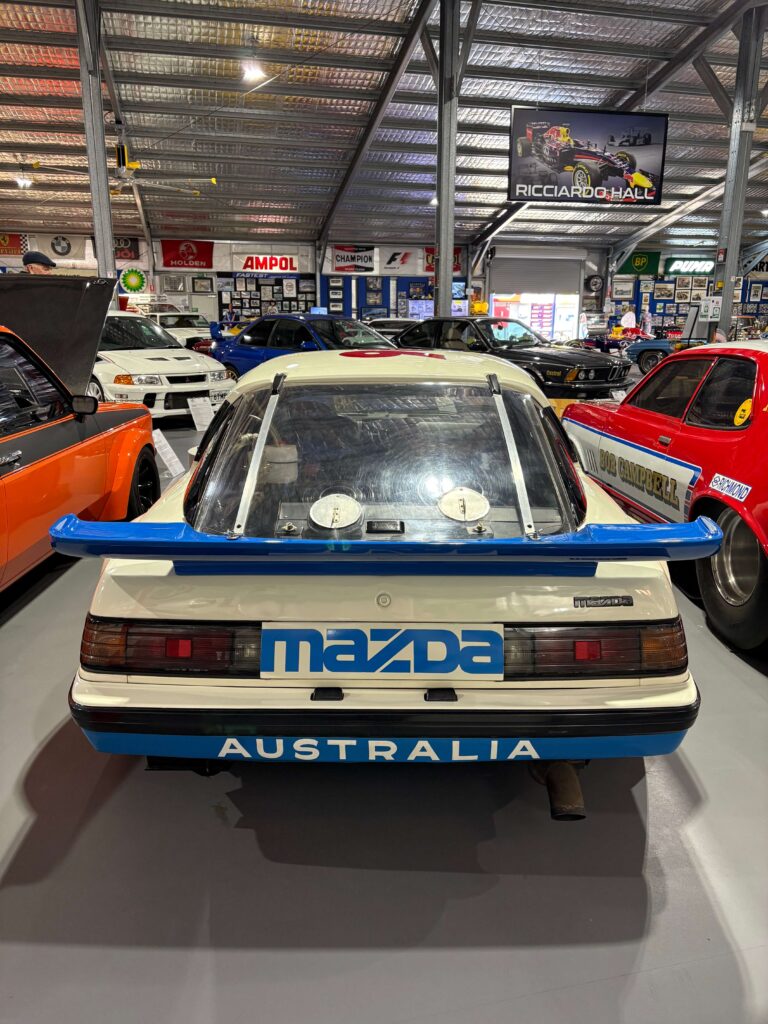
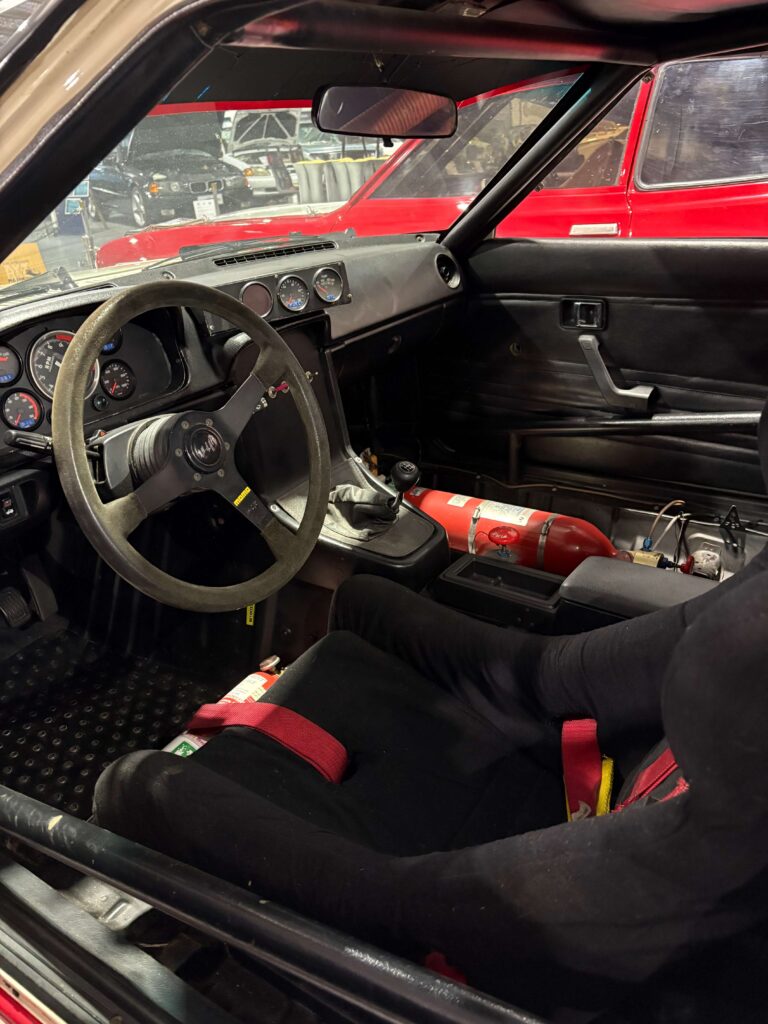
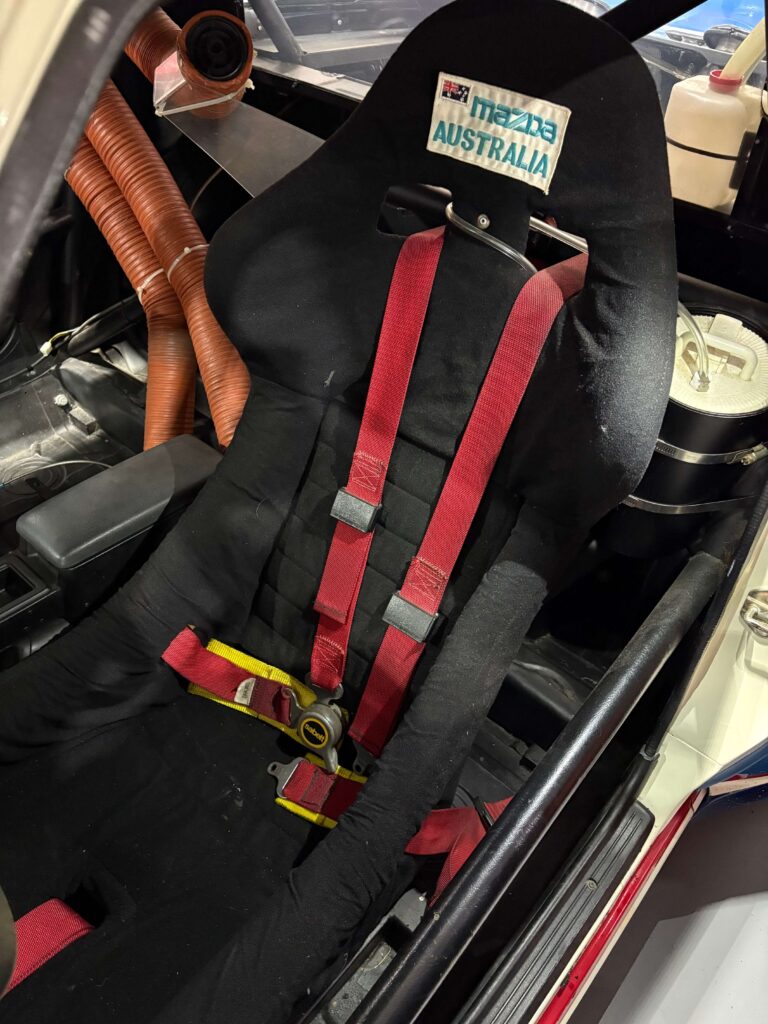
Allan Moffat’s Mazda RX-7
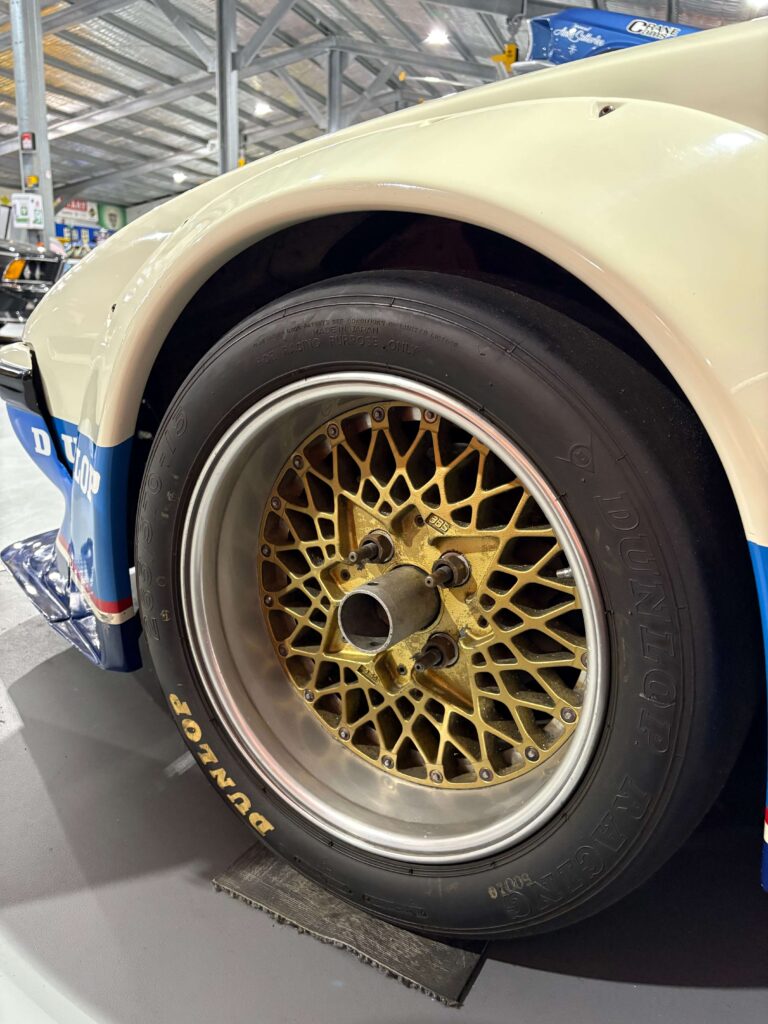
When Allan Moffat switched from Ford to Mazda in 1981, the move shocked touring car fans and set the stage for one of Bathurst’s great “giant-killer” stories. As V8 Falcons and Commodores thundered around Mount Panorama, Moffat’s lighter, more agile RX-7 brought a new kind of speed to the Mountain, relying on precise handling and rotary power rather than sheer cubic inches. The car on display at the Motor Museum of Western Australia represents this bold change of direction and the willingness to challenge Bathurst tradition.

Across the early 1980s, Moffat and Mazda turned the RX-7 into a genuine Bathurst contender, scoring four consecutive top-six finishes in the James Hardie 1000 between 1981 and 1984. Highlights included a strong third place in 1981 alongside Le Mans winner Derek Bell and a fighting second place in 1983 with Japanese ace Yoshimi Katayama, proving the rotary’s endurance credentials over 1,000 unforgiving kilometres. Even when extra weight penalties were imposed on the RX-7, Moffat’s team kept the car in the hunt, winning Australian endurance titles and further sharpening its reputation.
The story of this particular RX-7 extends beyond Bathurst and Australia. After its Mount Panorama campaigns, the car was renumbered and shipped overseas to contest the 24 Hours of Daytona, where Moffat and his co-drivers took on some of the world’s best sports cars over a full day and night of racing.
Lucky Charm
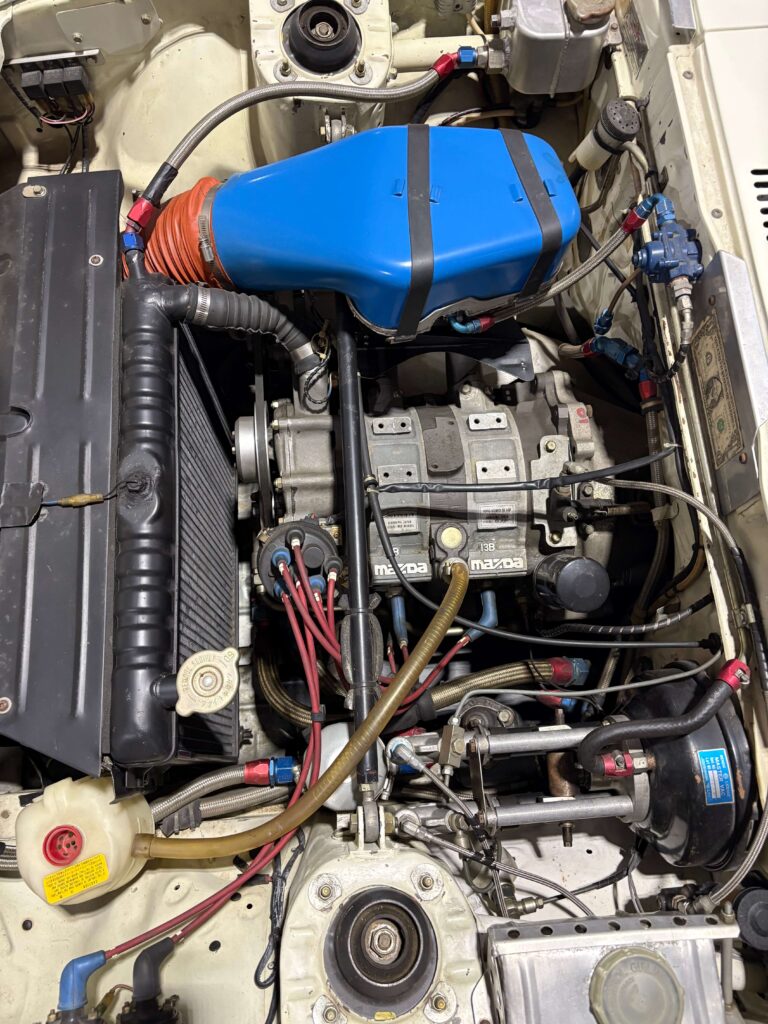
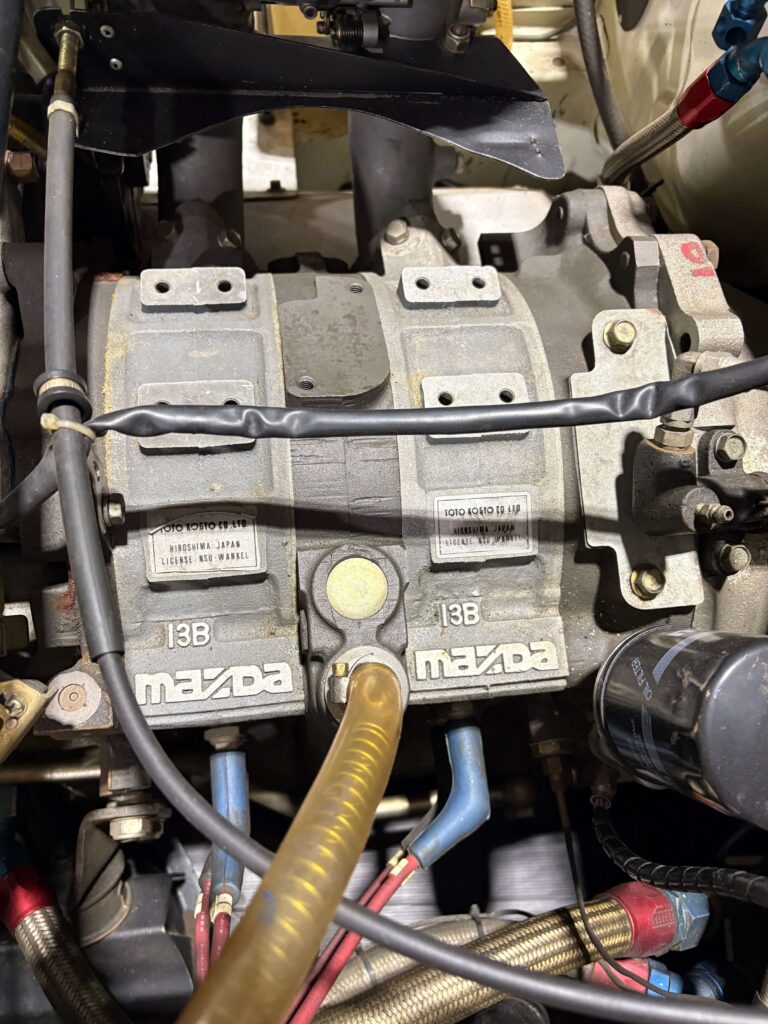
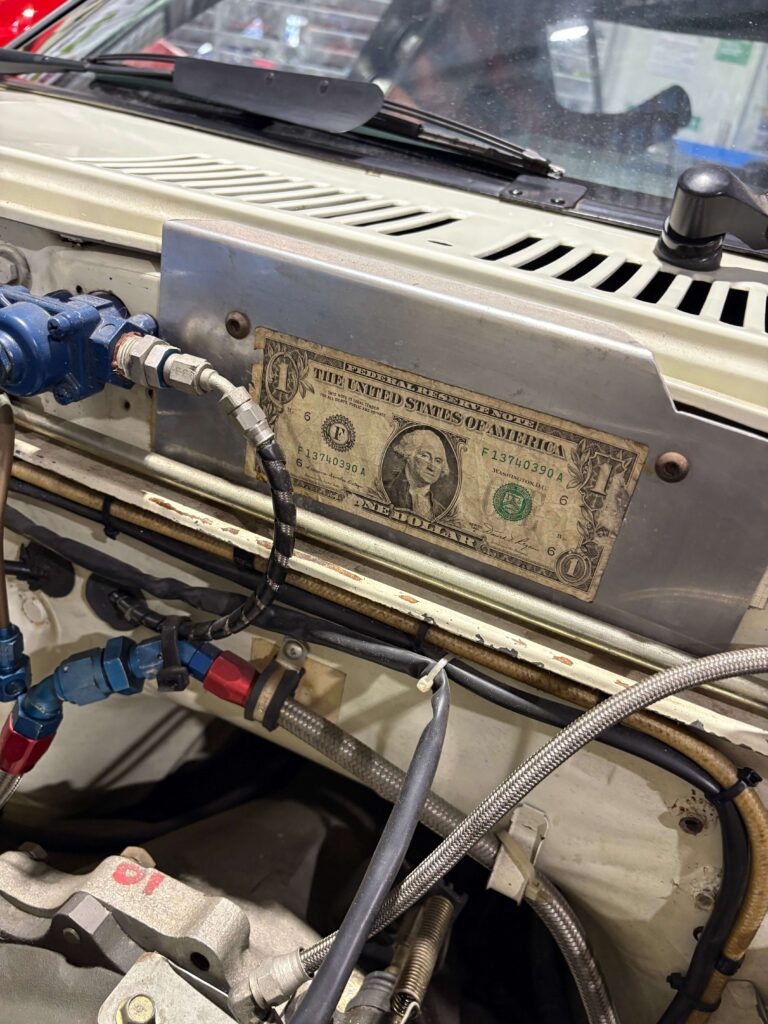
Tucked away under the bonnet of Allan Moffat’s RX‑7 is a hidden one‑dollar US banknote, placed there as a good‑luck charm before the car tackled the famous Daytona 24‑hour race in America. The note was slipped into the engine bay by a friend of Moffat’s as a quiet gesture of support before the gruelling international endurance debut of this Australian‑built Mazda.
Ever since, that “lucky dollar” has remained with the car, adding a personal and slightly mysterious touch to its Bathurst and Daytona story and giving visitors a fun detail to look for when they view the Mazda RX‑7’s bonnet up and up close.
Vale Allan Moffat
Allan Moffat’s recent passing, following a long battle with dementia, has deeply touched the Australian motorsport community.
A four-time Bathurst winner and multiple national champion, Moffat was more than a race driver: he was a team owner, engineer and master tactician whose decisions shaped the outcome of some of the Great Race’s most famous battles.
The RX-7 on display now serves as a rolling tribute to his willingness to innovate, his rivalry with the V8 establishment, and his enduring influence on generations of fans and drivers who still speak of “Moffat at Bathurst” with awe.
Tim Slako’s Pink VL Walkinshaw

Tim Slako’s bright pink Holden VL Commodore Walkinshaw is a classic example of the fearless privateer spirit that has always been part of Bathurst lore.
Built to Group A regulations and based on the road-going VL SS Group A “Walkinshaw”, the car carried the same wild, wind-tunnel-honed bodywork that made the model famous, including its distinctive aero kit and aggressive stance. In an era dominated by big-budget, factory-backed teams, the sight of a WA-prepared pink Walkinshaw mixing it with the best at the Mountain made a lasting impression on spectators.
The Walkinshaw’s Bathurst campaigns came at the end of the Group A period, when Holden, Ford, turbo Nissans and European marques all fought for the same piece of tarmac.
For privateers like Slako, Bathurst meant juggling limited resources, long nights in the workshop and the challenge of taking a near-production-based Commodore and turning it into a reliable, 1000 km endurance racer. Every lap completed at the Mountain was a small victory, particularly when balancing tyre wear, fuel strategy and traffic against the quicker works entries.
Slako’s car was associated with Barbagallo Motorsport, linking the entry to Western Australia’s own racing scene and underlining just how far local talent was prepared to travel to take on Mount Panorama. The Walkinshaw’s presence at Bathurst also demonstrated Holden’s commitment to homologating serious hardware for the road, giving privateers access to better aerodynamics, brakes and suspension straight out of the showroom. For many fans, this was the golden age when the same shape seen in the Bathurst pits could be spotted in local dealer yards.
Today, standing next to the pink VL Walkinshaw at the Motor Museum of Western Australia, visitors can appreciate not just its flamboyant livery but the story behind it; a WA driver and team using ingenuity, determination and a controversial but iconic Commodore to take on the Mountain.
Looking to learn more about Tim Slako’s racing legacy, then we recommend picking issue 153 of Australian Muscle Car which has a fantastic write up, or you can read more on the V8 Sleuth website.
Ian Diffen’s Red Charger #98
Coming Soon to the Motor Museum of Western Australia
Ian Diffen’s red Valiant Charger, wearing the number 98, connects the Motor Museum of Western Australia’s collection directly to Bathurst’s early 1970s touring car battles.
Originally built as an E38 “big tank” road car, the Charger evolved through several racing lives, beginning as a Series Production machine before progressing to Group C touring car and later sports sedan specifications. That evolution mirrors the way the Bathurst rulebook changed across the decade, as cars shifted from near-standard production racers to fully developed competition machines.
At Bathurst, Chargers like Diffen’s took on Ford’s Falcon GTHOs and Holden’s Toranas, capitalising on their torquey six-cylinder engines, short wheelbase and nimble handling through the track’s tighter sections. Period results list the #98 Valiant Charger in the top ranks of its class, with strong showings in endurance events that demanded both power on the straights and stability across the Mountain’s rougher, more technical sectors.
For a WA-based driver to feature at such a high level at Bathurst emphasised the strength of Western Australia’s racing community even in the early years of the Great Race.
Diffen himself became well known in Western Australia as both a racer and businessman, with his name later recognised through tyre and automotive ventures that helped support local motorsport.
His Bathurst Charger is therefore more than just a competition car; it represents a personal journey from road car owner to national-level competitor, as well as the broader story of how private entrants modified and re-used the same chassis across multiple categories to stay on the grid. Each new configuration brought fresh challenges in setup, reliability and performance as regulations and rivals changed.
With its bold red paint and period sponsor markings, the #98 Charger (soon to be) on display at the Motor Museum of Western Australia evokes an era when Bathurst grids included an eclectic mix of Australian six-cylinder heroes and V8 powerhouses.
On Display For A Limited Time
Please note that many of the vehicles displayed at the Motor Museum of Western Australia, including these iconic Bathurst vehicles, are on loan to us from private collectors and enthusiasts.
Our displays change regularly to showcase a wide variety of vehicles and motoring history, so if you want to experience these rare and extraordinary cars in person, we encourage you to visit us soon.
Whether you are a passionate car lover or simply curious about automotive heritage, the Motor Museum offers a unique and engaging experience that evolves throughout the year.
Visit Us
For more information about visiting the Motor Museum of Western Australia, including opening hours, ticket prices, and current exhibitions, please visit our Visitor Information page or contact us directly.
We are open every day from 10 AM to 4 PM (closed Christmas Day) at Whiteman Park, 233a Drumpellier Drive, Whiteman, WA 6068.
Tickets can be purchased online for your convenience or directly at the museum entrance.
For enquiries, group bookings, or special events, please call us on (08) 9249 9457 or email manager@motormuseumwa.com.au.
We welcome visitors of all ages and motoring interests and look forward to sharing Western Australia’s rich automotive history with you.
Discover More
-
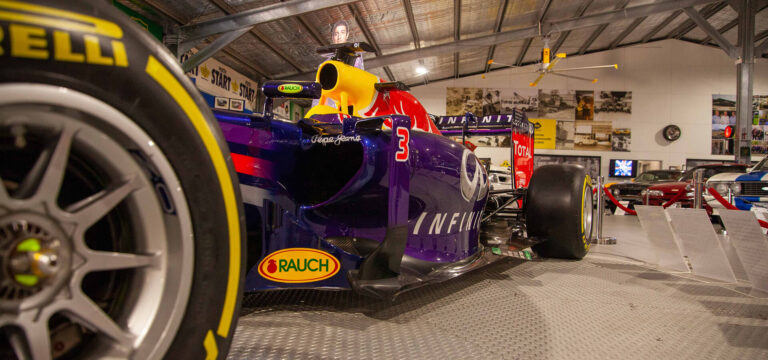
Red Bull F1 Racing Car
Daniel Ricciardo’s very generous offer to favour the Motor Museum with a long term loan of Red Bull RB 10, the car..
-

2024 Ferrari 296 GT3 Racer
Discover the 1948 Bown Hand-Built Autocycle: a rare post-war British machine linking Aberdale, Bown engineering and the birth of affordable motorised transport.